BC548 vs BC337 NPN Transistor: Datasheet, Pinout, Circuit
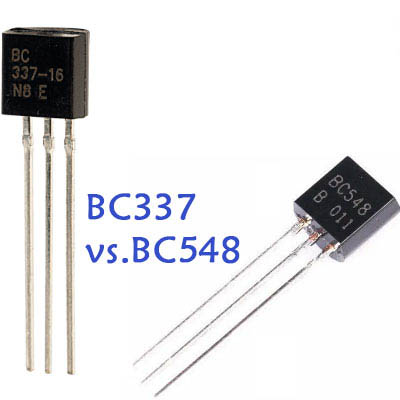
Transistors are fundamental components in electronics, serving a crucial role in amplification, switching, signal processing, and more. Among the plethora of transistor types available, the BC548 and BC337 NPN transistors are two commonly used models that find applications in various circuits due to their reliable performance and ease of use.
What is BC548 NPN Transistor
The BC548 is a general-purpose NPN bipolar junction transistor (BJT) that is widely used in amplifier and switching circuits. It is housed in a TO-92 package and is designed for low to medium power amplification applications. Here is a brief overview of the BC548 transistor:
- Collector-Base Voltage (VCBO): 30V
- Collector-Emitter Voltage (VCEO): 30V
- Emitter-Base Voltage (VEBO): 5V
- Collector Current (IC): 100mA
- Power Dissipation (Pd): 500mW
BC548 Pinout
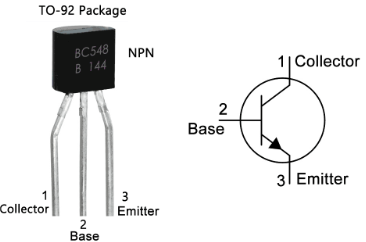
The BC548 transistor has three leads: the collector (C), base (B), and emitter (E). In a circuit diagram, the pinout is represented as follows:
- **Collector (C):** Pin 1
- **Base (B):** Pin 2
- **Emitter (E):** Pin 3
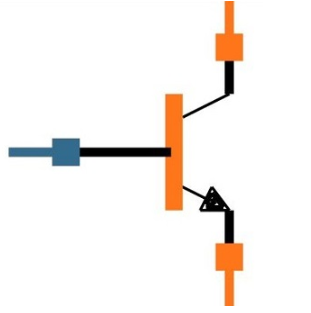
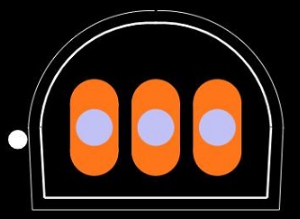
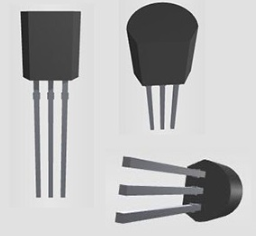
BC548 Symbol BC548 Footprint BC548 3D-Model
BC548 Typical Circuit Application
The BC548 transistor can be used in various amplifier circuits, oscillator circuits, and switching applications. For example, a common-emitter amplifier circuit using a BC548 transistor can amplify weak signals for audio applications, sensors, and more. Here is a basic schematic of a common-emitter amplifier using a BC548 transistor:
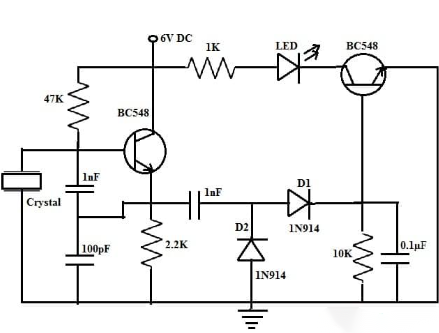
BC548 Common-Emitter Amplifier Circuit
What is BC337 NPN Transistor
The BC337 is another NPN transistor that is popular for its versatility and reliability in a wide range of applications. Similar to the BC548, the BC337 is also housed in a TO-92 package and is commonly used for amplification and switching purposes. Let's take a closer look at the BC337 transistor:
- Collector-Base Voltage (VCBO): 50V
- Collector-Emitter Voltage (VCEO): 45V
- Emitter-Base Voltage (VEBO): 5V
- Collector Current (IC): 800mA
- Power Dissipation (Pd): 625mW
BC337 Pinout
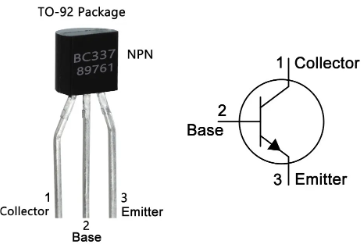
The BC337 transistor features the same pinout configuration as the BC548 transistor:
- **Collector (C):** Pin 1
- **Base (B):** Pin 2
- **Emitter (E):** Pin 3
BC337 Typical Circuit Application
The BC337 transistor can be utilized in circuits requiring higher current amplification compared to the BC548. It is commonly used in audio amplifiers, voltage regulators, and other applications where moderate power amplification is needed.
BC548 vs. BC337: Choosing the Right Transistor
When deciding between the BC548 and BC337 transistors for a particular circuit, consider the specific requirements of your project. The BC548 is suitable for low to medium power applications with a maximum collector current of 100mA, while the BC337 can handle higher currents up to 800mA.
In summary, both the BC548 transistors and BC337 transistors are versatile components that can be used in a variety of circuits for amplification and switching purposes. Understanding their datasheets, pinout configurations, and typical applications can help you choose the right transistor for your project. Whether you are building audio amplifiers, sensor circuits, or other electronic systems, these NPN transistors provide reliable performance and flexibility in design.
how to check bc548 transistor


Frequently Asked Questions
Related Articles

CR123A battery,CR17345,18350,A23,16340:How To Choose a Best One?
MPXHZ6400AC6T1 Datasheet, Diagram, Applications
ATMEGA8A-AU Datahseet, Pinout, Specs, Price, Programming
2N4401 vs PN2222 Transistor|PDF, Pinout, Equivalent, Pros & Cons
TSOP1738 Datasheet,Working Principle,Specs:TSOP1738 Vs TSOP1838
DLW5BTM142TQ2L Datasheet,Pinout,Applications
DLW5BTM101SQ2L:ChokesDatasheet,Pinout,Features
STM32F051C8T6TR MCU Datasheet, Pinout, Price
PCF8563T/5 RTCs Datasheet, Pinout, Specification
MCIMX283DVM4B Processors: Datasheet, Pinout, Diagram
BC548 vs BC337 NPN Transistor: Datasheet, Pinout, Circuit
BC547 vs S8050 vs S9014 Transistors Differences