Unveiling Metal Oxide Resistors: Mastering Current Control
I. Introduction
Hi, friends! As a professional remodeler and DIY enthusiast, I've learned that electronic components are the backbone of any successful project. Among these components, resistors play a crucial role in controlling the flow of current, and metal oxide resistors are a standout choice for their reliability and precision. Let's dive into the world of metal oxide resistors and uncover their secrets.And find the difference between ceramic Resistors and Metal Oxide Resistors!
II. What are Metal Oxide Resistors?
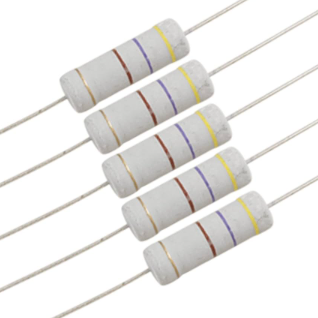
Metal oxide resistors, often referred to as MORs, are a type of fixed resistor that offers exceptional stability and low noise levels. Unlike traditional carbon composition resistors, which can be prone to drift and instability over time, MORs are constructed with a metal oxide film deposited onto a ceramic core.
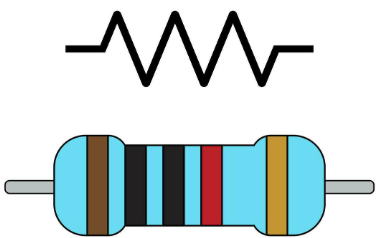
resistor symbol
This unique construction provides several advantages:
1. **Stability and Reliability**: The metal oxide film and ceramic core combination ensures that the resistance value remains constant, even under varying environmental conditions or prolonged use.
2. **High Precision and Low Noise**: MORs boast tight resistance tolerances, typically ranging from 1% to 0.1%, making them ideal for precision applications. Additionally, their low noise characteristics minimize interference in sensitive circuits.
3. **Wide Range of Resistance Values**: Metal oxide resistors are available in a wide range of resistance values, from a few ohms to several gigohms, catering to diverse circuit requirements.
III. Construction and Manufacturing Process
The layered structure of a metal oxide resistor contributes to its excellent performance. Let's take a closer look at its construction:
A. Layered Structure

1. **Ceramic Core**: At the heart of a MOR lies a ceramic substrate, often made of aluminum oxide or steatite, which provides mechanical strength and insulation.
2. **Metal Oxide Film**: A thin film of metal oxide, such as tin oxide or nickel-chromium, is deposited onto the ceramic core. This film is the primary resistive element.
3. **Protective Coating**: To protect the delicate metal oxide film, a protective coating, typically made of epoxy or glass, is applied over the resistive layer.
B. Manufacturing Techniques
The manufacturing process of metal oxide resistors involves advanced techniques to ensure precise and consistent results:
1. **Sputtering**: The metal oxide film is deposited onto the ceramic core through a process called sputtering, where ions bombard a target material, causing its atoms to be ejected and deposited onto the substrate.
2. **Thin-Film Deposition**: Alternatively, the metal oxide film can be deposited using various thin-film deposition techniques, such as chemical vapor deposition (CVD) or physical vapor deposition (PVD).
3. **Laser Trimming**: After deposition, laser trimming is often employed to fine-tune the resistance value to the desired specifications by removing a portion of the metal oxide film.
C. Metal Oxide Resistor Color Code & Resistor Color Bands

How Does the Resistor Color Code Work?
Check out the All About Circuits (https://www.allaboutcircuits.com/tools/resistor-color-code-calculator/) Resistor Color Code Calculator, a handy tool for reading resistor color code values.
Resistor values are frequently indicated with color codes. Nearly all leaded resistors with power ratings up to one watt are marked with color bands; this marking system is defined in IEC 60062 which also specifies marking codes for resistors and capacitors - including color bands as well as numerical codes, commonly found with surface mount SMD resistors.
Color codes consist of multiple bands which, collectively, define resistance values, tolerance limits and sometimes reliability or failure rates. At least two bands must indicate resistance values while another serves as multiplier; these standardized resistance values are known as preferred values.
IV. Characteristics and Specifications
When working with metal oxide resistors, it's essential to understand their key characteristics and specifications:
1. Resistance Tolerance: As mentioned earlier, MORs offer tight resistance tolerances, ranging from 1% to 0.1%, ensuring precise resistance values.
2. Temperature Coefficient: The temperature coefficient of resistance (TCR) quantifies how the resistance value changes with temperature fluctuations. MORs typically have low TCRs, making them suitable for temperature-sensitive applications.
3. Power Rating: Metal oxide resistors are available in various power ratings, ranging from fractions of a watt to several watts, depending on the application's power dissipation requirements.
4. Voltage Rating: The maximum voltage that a MOR can withstand without breakdown or excessive heating is specified by its voltage rating.
5. Noise Levels: Due to their construction and materials, metal oxide resistors exhibit low noise levels compared to other resistor types, minimizing interference in sensitive circuits.
V. Applications of Metal Oxide Resistors
The exceptional stability, precision, and low noise characteristics of metal oxide resistors make them suitable for a wide range of applications:
1. **Precision Instrumentation**: MORs are commonly used in precision instruments, such as multimeters, oscilloscopes, and scientific equipment, where accurate resistance values are critical.
2. **Audio Equipment**: In high-fidelity audio systems, metal oxide resistors help maintain signal integrity and minimize distortion, ensuring clear and pristine sound quality.
3. **Telecommunication Systems**: The stable performance of MORs makes them ideal for use in telecommunication equipment, where precise signal processing is essential.
4. **Power Supplies**: In power supply circuits, metal oxide resistors are employed as voltage dividers, current limiters, and in feedback networks, contributing to stable and efficient power regulation.
5. **Automotive Electronics**: The automotive industry relies on MORs for their resistance stability and ability to withstand harsh environments, making them suitable for various electronic control systems in vehicles.
VI. Selecting the Right Metal Oxide Resistor
When choosing a metal oxide resistor for your project, several factors should be considered:
1. **Determining Resistance Value**: First and foremost, calculate the required resistance value based on your circuit design and specifications.
2. **Considering Power Dissipation**: Evaluate the power dissipation requirements of your circuit and select a MOR with an appropriate power rating to prevent overheating and potential failure.
3. **Evaluating Temperature Stability**: If your application involves significant temperature fluctuations, pay close attention to the resistor's temperature coefficient to ensure stable performance.
4. **Choosing Surface Mount or Through-Hole Packages**: Metal oxide resistors are available in both surface mount (SMD) and through-hole packages. Select the package type that best suits your assembly process and board design.
VII. Handling and Installation Tips
To ensure optimal performance and longevity of metal oxide resistors, proper handling and installation techniques are essential:
1. **Proper Soldering Techniques**: When soldering MORs, use appropriate soldering temperatures and techniques to prevent damage to the resistor or the printed circuit board (PCB). Excessive heat can degrade the metal oxide film, altering the resistance value.
2. **Avoiding Mechanical Stress**: Metal oxide resistors are sensitive to mechanical stress, such as bending or stretching. Ensure that the resistors are securely mounted on the PCB and protected from external forces.
3. **Thermal Management Considerations**: In high-power applications, adequate heat dissipation measures should be implemented to prevent excessive temperature rise, which can affect the resistor's performance and lifespan.
4. **Troubleshooting and Maintenance**: Regularly inspect and test MORs in critical circuits to detect any signs of degradation or drift in resistance values. Replace faulty resistors promptly to maintain circuit integrity.
VIII. DIY Projects Involving Metal Oxide Resistors
As a DIY enthusiast, I've had the opportunity to work with metal oxide resistors in various projects, and let me tell you, they're a game-changer! Here are a few examples of DIY projects where MORs shine:
1. **Building a Precision Voltage Divider**: MORs' tight tolerance and stability make them ideal for constructing precise voltage dividers, which are essential in many electronic circuits, from power supplies to sensor interfaces.
2. **Constructing a High-Fidelity Audio Amplifier**: In my pursuit of building a high-end audio amplifier, I relied on metal oxide resistors to minimize noise and distortion, ensuring crystal-clear sound reproduction.
3. **Creating a Stable Power Supply**: When building a reliable power supply for my electronics projects, I turned to MORs for their stable performance and low noise characteristics, ensuring consistent and clean power delivery.
4. **Experimenting with Resistor Networks**: MORs can be combined in various configurations, such as parallel or series networks, to achieve specific resistance values or characteristics. This opens up a world of possibilities for experimenting and optimizing circuit designs.
IX. Repair and Replacement Strategies
Even with their reliability, metal oxide resistors can occasionally fail or drift in value over time. Here are some strategies for repairing and replacing MORs:
1. **Identifying Faulty Resistors**: Use a multimeter or resistance meter to measure the resistance value of suspect resistors. Significant deviations from the specified value may indicate a faulty component.
2. **Safe Desoldering Methods**: When removing a faulty resistor, employ safe desoldering techniques, such as using a desoldering pump or wick, to avoid damaging the PCB or surrounding components.
3. **Selecting Replacement Components**: When replacing a MOR, choose a replacement with the same or better specifications, considering resistance value, power rating, and temperature coefficient.
4. **Ensuring Proper Circuit Operation After Repair**: After replacing a resistor, thoroughly test the circuit to ensure it operates as intended. Perform calibration or adjustment procedures if necessary.
By following these repair and replacement strategies, you can extend the lifespan of your electronic projects and maintain their optimal performance.
X. Ceramic Vs Metal Oxide Resistors
What is the difference between ceramic and metal oxide resistors?
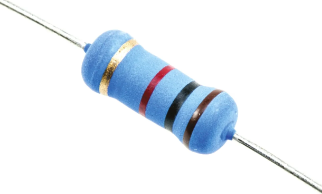
When it comes to choosing between ceramic and metal oxide resistors, it's essential to consider the specific requirements of your project. Here's a comparison of ceramic and metal oxide resistors based on various factors:

1. **Material Composition:**
- **Ceramic Resistors:** Ceramic resistors are made of a ceramic material with a metal oxide coating. This composition provides good thermal stability and resistance to high temperatures.
- **Metal Oxide Resistors:** Metal oxide resistors are made of a metal oxide film deposited on a ceramic substrate. This composition offers high precision and power dissipation capabilities.
2. **Accuracy and Tolerance:**
- **Ceramic Resistors:** Ceramic resistors typically have lower precision and wider tolerance values compared to metal oxide resistors.
- **Metal Oxide Resistors:** Metal oxide resistors offer higher accuracy and tighter tolerance values, making them suitable for applications that require precise resistance values.
3. **Power Handling Capacity:**
- **Ceramic Resistors:** Ceramic resistors generally have lower power ratings compared to metal oxide resistors. They are suitable for low to moderate power applications.
- **Metal Oxide Resistors:** Metal oxide resistors can handle higher power dissipation levels, making them ideal for applications where power handling is crucial.
4. **Applications:**
- **Ceramic Resistors:** Ceramic resistors are commonly used in consumer electronics, lighting applications, and general-purpose circuits where high reliability is essential.
- **Metal Oxide Resistors:** Metal oxide resistors find applications in precision instruments, audio equipment, telecommunications devices, and circuits that require high accuracy and power dissipation capabilities.
5. **Cost:**
- **Ceramic Resistors:** Ceramic resistors are generally more cost-effective compared to metal oxide resistors, making them a popular choice for budget-conscious projects.
- **Metal Oxide Resistors:** Metal oxide resistors are usually priced higher due to their precision and performance advantages, which can impact the overall project cost.
In summary, ceramic resistors are known for their reliability, thermal stability, and cost-effectiveness, making them suitable for a wide range of applications. On the other hand, metal oxide resistors offer superior precision, power dissipation capabilities, and accuracy, making them ideal for demanding electronic circuits where higher performance is required. By understanding the differences between ceramic and metal oxide resistors, you can choose the right type based on your project's specific needs and performance requirements.
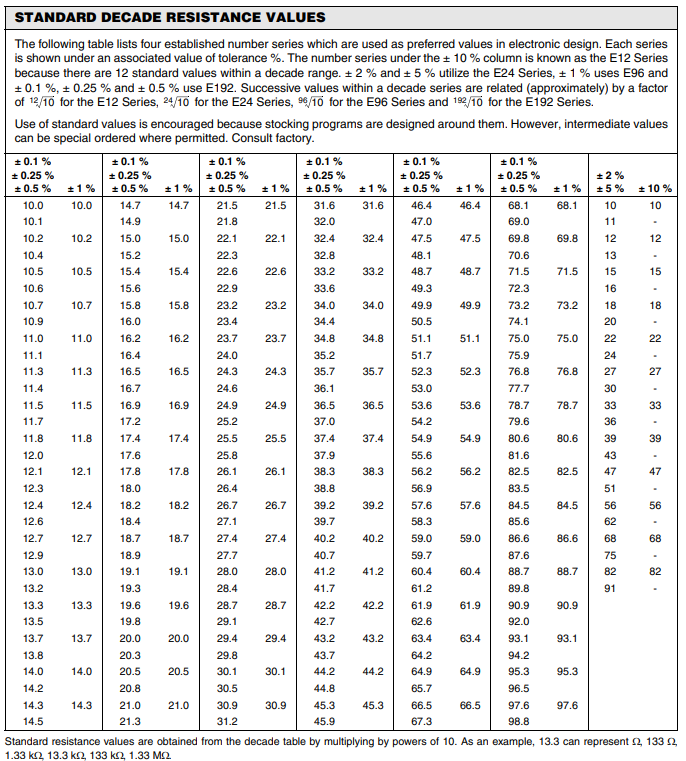
common resistor values
XI. Conclusion
Metal oxide resistors are true workhorses in the world of electronics, offering unparalleled stability, precision, and reliability. Their unique construction and advanced manufacturing techniques make them the go-to choice for applications demanding accurate current control and minimal noise interference.
Throughout my journey as a professional remodeler and DIY enthusiast, I've come to appreciate the versatility and performance of metal oxide resistors. From precision instruments to high-fidelity audio systems, these unassuming components play a crucial role in ensuring the flawless operation of countless electronic devices.
Whether you're an engineer seeking precise component specifications, a hobbyist exploring the fascinating world of electronics, or a DIY enthusiast tackling your next project, understanding metal oxide resistors is a valuable addition to your knowledge and skillset.
By mastering the selection, handling, and installation of these resistors, you can unlock new possibilities in circuit design, troubleshooting, and repairs. Embrace the challenge of experimenting with metal oxide resistors in your DIY projects, and witness firsthand the remarkable impact they can have on circuit performance and longevity.
Remember, the journey to mastering current control is an ongoing process, and metal oxide resistors are your trusted companions along the way. Embrace their capabilities, learn from your experiences, and never stop exploring the fascinating world of electronic components.
10k resistor color code
1k ohm resistor color code
how to read resistors


Related Articles

What is Series Parallel Circuit? Formula, Diagram, Calculator
Potentiometers Classifications Explained: Construction, Application
What is Peak-to-Peak Voltage, AC Peak vs. Peak-to-Peak vs. RMS Voltage
Outdoor vs. Indoor TV Antennas: How They Work?
SO-DIMM vs DIMM vs UDIMM Difference: Understanding Meaning and Types
Time Delay Relay: Definition,Modes,Diagram
How to use a Relay: Comprehensive Guide for Relays Types and Uses
What is a Projector: Working Principle and Types
Detailed Inductors Classifications
Unveiling the Complexities of AI Face Recognition: Algorithmic Bias, Ethics, and Regulation
Apple’s NameDrop in iOS 17: Advantages, Disadvantages, and Proper Usage
How to Erase Your Personal Data from Public Record Websites