Potentiometers Classifications Explained: Construction, Application
Potentiometers are commonly classified based on various factors such as construction, electrical characteristics, and applications. Here are some common classifications of potentiometers:
1. Based on Construction:
a. Rotary Potentiometers: These are the most common type of potentiometers and consist of a circular or semi-circular resistive element with a movable wiper that slides along it.
b. Linear Potentiometers: These potentiometers have a linear resistive element and a sliding wiper that moves along its length.
c. Trimmer Potentiometers: Also known as trim pots or preset potentiometers, these are small-sized potentiometers used for making fine adjustments or calibrations in electronic circuits.
2. Based on Electrical Characteristics:
a. Carbon Composition Potentiometers: These potentiometers have a resistive element made of carbon particles mixed with a binder material.
b. Wirewound Potentiometers: These potentiometers use a resistive wire wound around an insulating core as the resistive element, providing high precision and accuracy.
c. Conductive Plastic Potentiometers: These potentiometers use a resistive element made of a conductive plastic material, offering high resolution and low noise.
d. Cermet Potentiometers: These potentiometers use a resistive element made of a ceramic and metal composite material, providing high stability and reliability.
3. Based on Applications:
a. Audio Potentiometers: These potentiometers are designed for audio applications, such as volume control in audio amplifiers or mixing consoles.
b. Voltage Divider Potentiometers: These potentiometers are used as voltage dividers in electronic circuits to provide variable voltages.
c. Rheostats: These are potentiometers used specifically as variable resistors to control current flow in a circuit.
d. Servo Potentiometers: These potentiometers are used in servo systems to provide position feedback for precise control.
Wait what? So What classifications does alpha, sliding, guitar potentiometers belong to? — Alpha, Sliding, and Guitar potentiometers—can be understood as follows:
1. Alpha Potentiometers: "Alpha" refers to a popular brand of potentiometers commonly used in electronic circuits. Alpha potentiometers can fall under various classifications based on their construction, electrical characteristics, and applications. For example, they can be rotary or linear potentiometers, carbon composition or conductive plastic potentiometers, and they can be used in audio applications or as voltage dividers, depending on the specific model and specifications.
2. Sliding Potentiometers: Sliding potentiometers are a type of potentiometer where the wiper slides along a resistive element. They are typically linear potentiometers and are commonly used in applications where linear position control is required, such as faders in audio mixers or sliders on electronic instruments.
3. Guitar Potentiometers: Guitar potentiometers are potentiometers specifically designed and used in electric guitars and other stringed instruments. They are typically rotary potentiometers and are commonly used for volume control, tone control, or pickup selection. Guitar potentiometers can have various specifications, such as resistance values, taper (audio or linear), and shaft length, to suit the specific needs and preferences of guitar players.
Potentiometers Applications
In addition to the types of potentiometers we have already discussed, there are several other types commonly used in electronic devices. Here are a few more examples:
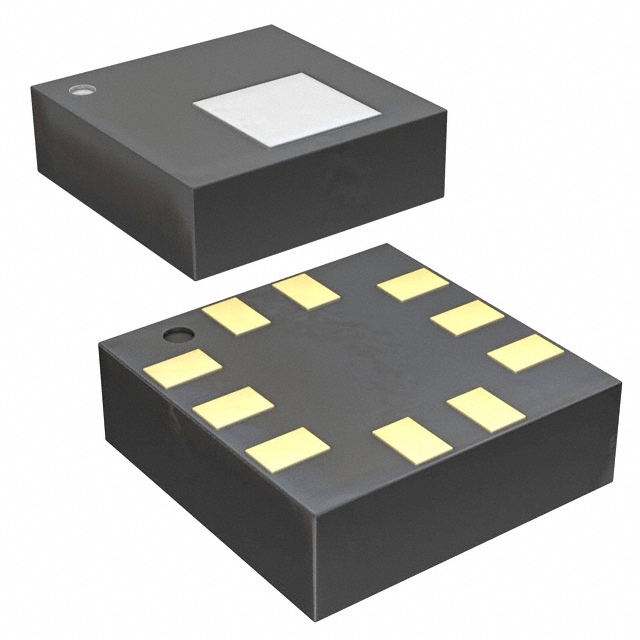
1. Digital Potentiometers: Digital potentiometers, also known as digital variable resistors or digipots, are electronic components that provide variable resistance in a digital format. Instead of using a mechanical mechanism, digital potentiometers use semiconductor technology to adjust the resistance digitally. They can be controlled using digital signals, such as I2C or SPI, and are often used in applications where precise and automated resistance adjustment is required, such as in audio equipment, instrumentation, and digital circuits.
2. Multi-Turn Potentiometers: Multi-turn potentiometers are potentiometers that allow for multiple revolutions of the shaft or knob to change the resistance value. They typically have a higher number of turns compared to standard potentiometers, allowing for finer adjustments and greater precision. Multi-turn potentiometers are commonly used in applications where precise control is required, such as in test and measurement equipment, calibration instruments, and industrial control systems.
3. Motorized Potentiometers: Motorized potentiometers are potentiometers that incorporate an electric motor or stepper motor to automatically adjust the wiper position. They can be controlled remotely or through automated systems. Motorized potentiometers are often used in applications where remote or automatic control of resistance is needed, such as in audio/video systems, robotic systems, and industrial automation.
4. Touch Potentiometers: Touch potentiometers, also known as touch-sensitive potentiometers or touch sliders, are a type of potentiometer that do not require physical contact to adjust the resistance. They utilize capacitive touch sensing technology to detect the position of a finger or other conductive object. Touch potentiometers are commonly used in consumer electronics, user interfaces, and touch-sensitive control panels.
These are just a few examples of the various types of potentiometers used in electronic devices. The choice of potentiometer depends on the specific application requirements, such as the desired resistance range, precision, control mechanism, and environmental factors.
It's worth noting that these classifications are not mutually exclusive, and a potentiometer can belong to multiple categories simultaneously. For example, an Alpha potentiometer could be a sliding potentiometer used in a guitar application. The specific classification of a potentiometer depends on its characteristics and intended use.
potentiometers can have different specifications, such as resistance values, power ratings, and tolerance levels, which should be considered when selecting the appropriate potentiometer for a specific application.


Related Articles

Transceiver explained:Types, Working, Applications
Various Types of Diodes: A Comprehensive Classification
Single-Phase vs. Two-Phase Liquid Immersion Cooling:Which is Better
How to Add DS1307, DS3231, PCF8563 RTC with Arduino: Tutorial
What Is a Throttle Position Sensor (TPS) And How It Works
Exploring the Power of X Elite
Machine SCADA Expert: Transforming the Development of Electronic Components and Technology
Harnessing Electric Electromobiles to Combat Global Warming and Pollution
Foldable Phone Comparison: Top 4 Folding Phones
Wireless Keyboards: The Evolution of a Technological Marvel
What are PCBs, How do PCBs Work: Types, Applications
Raspberry Pi 5: The Next Generation of Single Board Computers