Understanding GSM Modules: Component for Wireless Communication
Catalog
Introduction
Applications of GSM Modules
Benefits of GSM Modules
Conclusion
Introduction:
GSM (Global System for Mobile Communications) modules are essential components in modern wireless communication systems. They enable devices to connect to cellular networks and facilitate various applications, ranging from mobile phones to Internet of Things (IoT) devices. In this article, we will delve into the world of GSM modules, exploring their functionality, applications, and benefits.
What is a GSM Module?
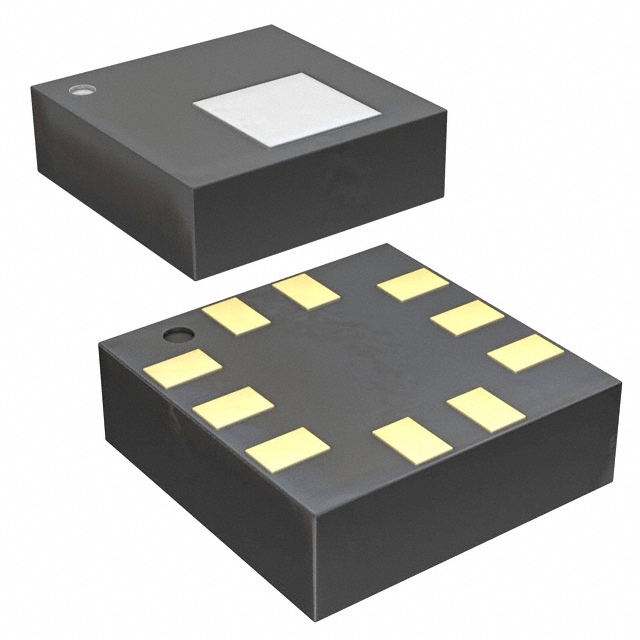
A GSM module is a hardware device that integrates a GSM modem and other necessary components onto a single chip. It enables devices to establish communication with GSM networks by providing voice, data, and messaging capabilities. These modules are typically used in devices that require wireless connectivity, such as alarm systems, vehicle tracking systems, industrial automation, and remote monitoring systems.
Functionality of GSM Modules:
GSM modules offer a range of functionalities that enable seamless wireless communication:
Mobile Network Connectivity: GSM modules connect to cellular networks, allowing devices to transmit and receive data, voice calls, and SMS messages. They support various frequency bands and communication standards, ensuring compatibility with different network providers worldwide.
SIM Card Integration: GSM modules require a Subscriber Identity Module (SIM) card to authenticate and identify devices on the network. The SIM card stores essential information, such as the device’s phone number, network access credentials, and contact details.
Voice Communication: GSM modules enable voice calls, allowing devices to establish two-way communication. They support audio codecs for voice compression and decompression, ensuring clear and reliable voice transmission.
Data Transmission: GSM modules support data connectivity, enabling devices to access the internet, send/receive emails, and transfer data packets. They offer data transfer rates ranging from GPRS (General Packet Radio Service) to EDGE (Enhanced Data rates for GSM Evolution), providing reliable and efficient data communication.
SMS Messaging: GSM modules facilitate Short Message Service (SMS) communication, allowing devices to send and receive text messages. SMS is a widely used communication method due to its simplicity, low cost, and compatibility across different devices.
Applications of GSM Modules:
GSM modules find applications in various fields, including:
Mobile Phones: GSM modules are the backbone of mobile phones, enabling voice calls, SMS messaging, and internet connectivity.
IoT Devices: GSM modules play a crucial role in IoT devices, enabling remote monitoring, control, and data transfer. They are used in applications like smart agriculture, smart cities, asset tracking, and environmental monitoring.
Security Systems: GSM modules are integrated into security systems, such as burglar alarms and surveillance systems, to provide real-time notifications and remote monitoring capabilities.
Telematics: GSM modules are used in vehicle tracking systems, fleet management, and telematics solutions to monitor vehicle location, speed, and other parameters.
Benefits of GSM Modules:
GSM modules offer several advantages that make them a preferred choice for wireless communication:
Wide Network Coverage: GSM networks have extensive coverage, ensuring connectivity in both urban and rural areas.
Global Compatibility: GSM modules support multiple frequency bands and are compatible with various network providers worldwide, making them suitable for international deployments.
Cost-Effective: GSM modules offer cost-effective communication solutions, with affordable data plans and low-cost SMS messaging.
Reliability: GSM networks are known for their reliability and stability, ensuring consistent connectivity and minimal downtime.
Conclusion:
GSM modules are essential components in wireless communication systems, enabling devices to connect to cellular networks and communicate seamlessly. With their wide network coverage, global compatibility, and cost-effectiveness, GSM modules find applications in mobile phones, IoT devices, security systems, and telematics solutions. As technology continues to advance, GSM modules will play a pivotal role in shaping the future of wireless communication.


Related Articles

What are Sensors: Types, Application, Working
The Role of Electronics in the Charger: A Comprehensive Guide
How Knock Sensors Work: Price, Diagram, How to Test
CPLD vs FPGA: Architechture, Price and Application
Coaxial Cable vs. Monitor Cable: A Comparison
How Effective is Thermoelectric Cooler
On GaN: Application, Advantages & Disvantages
Electronic Components in Mobile Phones and the Chip Shortage Impact
How Many Chips Does a Car Need
HDMI vs DVI vs DisplayPort vs VGA: Comparing Pros & Cons
On Shunt: Definition, Use and Types of Shunts
On Video Websites Recommendation Systems