Smoke Detector Installation and Testing|How Many Do You Need?
This post is about How to Install, Test, and Place Smoke Detectors, after reading you will know How Many Do You Need and Where to Put Them.
What is a Smoke Detector?
A smoke detector is a crucial safety device designed to detect the presence of smoke, which can be an early indication of a fire. It is a critical component of any home or building's fire protection system, providing an early warning that allows occupants to evacuate and seek help promptly.
Smoke Detectors Composition
Smoke detectors typically consist of several key components:
1. Sensing Chamber: This is the heart of the smoke detector, where smoke is detected. It can be either an ionization chamber or a photoelectric chamber.
2. Alarm: When smoke is detected, the alarm is triggered to produce a loud, audible sound to alert occupants.
3. Power Source: Smoke detectors can be powered by batteries or hardwired into a building's electrical system.
4. Control Circuitry: This is the "brain" of the smoke detector, responsible for processing signals from the sensing chamber and triggering the alarm when necessary.
How do Smoke Detectors Work?
Smoke detectors work by detecting the presence of smoke particles in the air. There are two main types of smoke detectors based on their detection method:
1. Ionization Smoke Detectors: These detectors use a small amount of radioactive material to ionize the air in the sensing chamber. When smoke particles enter the chamber, they disrupt the ionization process, causing a change in the electrical current that triggers the alarm.
2. Photoelectric Smoke Detectors: These detectors use a light source and a light sensor. When smoke particles enter the sensing chamber, they scatter or reflect the light, causing the light sensor to detect the change and trigger the alarm.
Why We Need Smoke Detectors
Smoke detectors are essential for several reasons:
1. Early Warning: They provide an early warning of a fire, allowing occupants to evacuate and seek help before the fire becomes uncontrollable.
2. Minimize Damage: By alerting occupants early, smoke detectors can help minimize property damage caused by fires.
3. Save Lives: Most importantly, smoke detectors can save lives by giving people time to escape before being overcome by smoke or flames.
How Many Smoke Detectors Do I Need?
The number of smoke detectors needed depends on the size and layout of your home or building. Generally, it is recommended to have at least one smoke detector on every level of your home, including the basement, and one detector outside each sleeping area or bedroom.
How to Change Smoke Detector Battery?
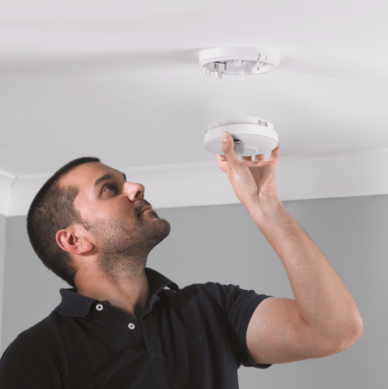
Most smoke detectors have a low-battery warning signal to alert you when it's time to replace the batteries. To change the battery, follow these steps:
1. Locate the smoke detector and identify the battery compartment.
2. Remove the old battery, noting the correct polarity.
3. Insert a new battery of the recommended type, ensuring the polarity is correct.
4. Test the smoke detector to ensure it's functioning correctly.
How to Test Smoke Detectors?
Testing smoke detectors regularly is crucial to ensure they are functioning properly. Here's how to test your smoke detectors:
1. Locate the test button on the smoke detector.
2. Press and hold the test button until the alarm sounds.
3. If the alarm does not sound, replace the battery and test again.
4. If the alarm still doesn't sound, replace the entire smoke detector.
It's recommended to test your smoke detectors monthly and replace them every 10 years or as per the manufacturer's instructions.
Electronic Components in Smoke Detectors
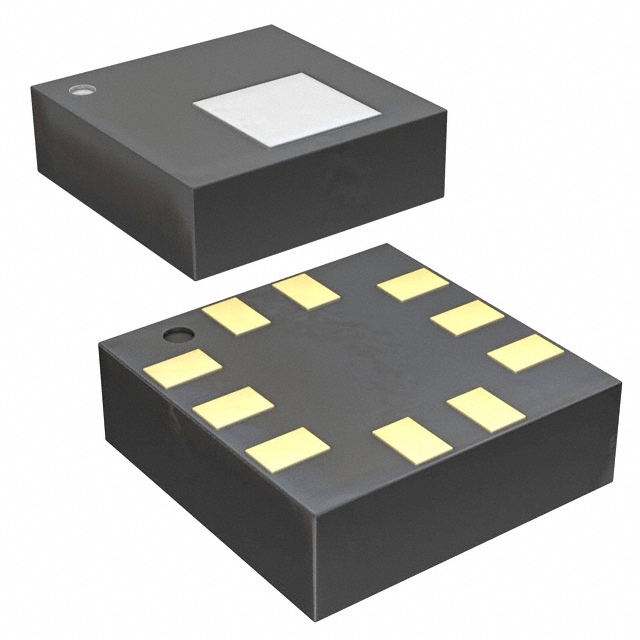
Smoke detectors contain several electronic components that work together to detect smoke and trigger the alarm. Some of the key electronic components found in smoke detectors include:
1. Microcontroller or Integrated Circuit: This is the "brain" that processes the signals from the sensing chamber and controls the alarm.
2. Sensing Chamber Components: Ionization detectors contain a small amount of radioactive material and ionization chambers, while photoelectric detectors have a light source and light sensor.
3. Alarm Circuitry: This includes components like transistors, resistors, and capacitors that amplify and control the alarm sound.
4. Power Supply Components: These include batteries, voltage regulators, and other components to provide and regulate power to the smoke detector.
5. Indicators and Buttons: LEDs, buzzers, and physical buttons for testing and indicating the detector's status.
The specific electronic components used can vary depending on the manufacturer and the type of smoke detector (ionization or photoelectric).
Tips for proper smoke detector installation:
Choosing the Right Type
There are two main types of smoke detectors - ionization and photoelectric. Ionization detectors are better at detecting fast, flaming fires, while photoelectric detectors are more sensitive to smoldering fires. Many experts recommend installing both types or dual-sensor detectors that combine ionization and photoelectric sensors.
Proper Placement
• Install smoke detectors on every level of your home, including the basement.
• Place detectors inside and outside of each sleeping area.
• Mount detectors high on walls or ceilings, following manufacturer's placement instructions.
• Keep detectors at least 10 feet away from cooking appliances to prevent false alarms.
• Don't install near bathrooms with showers where humidity is high.
Interconnected Detectors
For extra protection, interconnect all smoke detectors so when one sounds, they all sound. This allows you to hear the alarm from anywhere in the home.
Hardwired vs Battery
• Hardwired detectors get their power from the home's electrical system and have a battery backup.
• Battery-only detectors allow installation anywhere but require regular battery changes.
• Consider integrating new detectors with smart home/security systems.
Mounting and Installation
• Use manufacturer's installation instructions and mounting brackets.
• On ceilings, mount detectors at least 4 inches away from nearest wall.
• Wall mounting should be 4-12 inches from ceiling.
• Don't block air paths to the detector with furniture or obstructions.
Testing and Maintenance
• Test detectors monthly by using the test button.
• Change batteries every 6 months, or as recommended.
• Clean detectors annually by vacuuming dust and debris.
• Replace detectors every 10 years, as sensors can degrade over time.
Properly installing the recommended number of smoke detectors and following maintenance guidelines provides vital early warning to protect lives in a fire emergency. Working detectors greatly increase the chances of safe evacuation.


Related Articles

Capacitor Basics: Definition, Characteristics, and Applications
What is Electronic Ballast: Pros & Cons
Exploring the Versatility and Performance of Cat 7 Cable
Microcontroller: Revolutionizing Embedded Systems
Understanding GSM Modules: Component for Wireless Communication
3D Printing Electronics: Revolutionizing the Future
14 Electronic Components in an iPad
Popularization of Electronic Amplifiers: Working principles
Understanding Pinout: A Comprehensive Guide
A Beginner's Instruction Manual about Raspberry Pi
Power Transformers vs Converters: Are they the same
Circuit For Buck Boost Converters: Stable Transforming Voltage