Power Transformers vs Converters: Are they the same
This post will help you decide if you need a converter for your device or a transformer.
Catalog
1.Introduction:
2.Transformers: The Silent Powerhouses
3.Converters: Morphing Power to Fit the Need
4. The Distinct Differentiators
5. The Marriage of Transformers and Converters
6. Conclusion
1. Introduction:
We depend on electricity every day, from charging our smartphones to powering entire cities. But have you ever wondered how electricity is efficiently transmitted and distributed across various devices and systems? Enter the world of power transformers and converters – two distinct yet crucial components in the realm of electrical engineering. In this article, we will dive deep into the differences between these marvels of modern technology and uncover their unique roles in our electrified world.
2. Transformers: The Silent Powerhouses
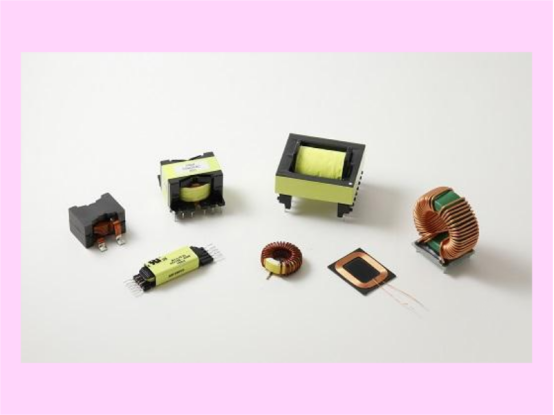
Transformers are the unsung heroes of our electrical infrastructure. These devices are responsible for stepping up or stepping down voltage levels during power transmission, allowing electricity to travel efficiently across vast distances. By utilizing electromagnetic induction, transformers enable the efficient distribution of electricity from power plants to our homes in a seamless manner, reducing energy loss and ensuring optimal performance.
3. Converters: Morphing Power to Fit the Need
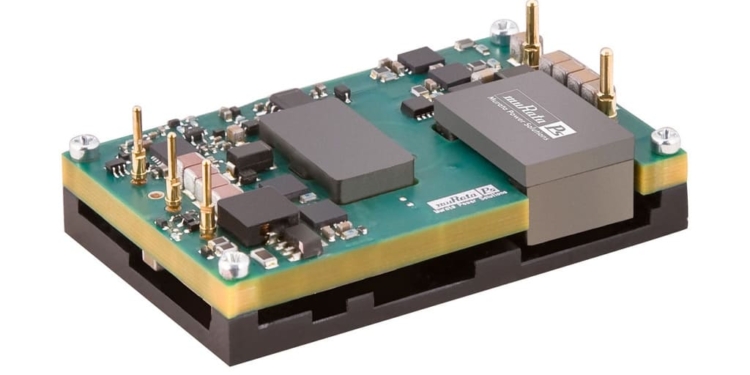
Contrary to transformers, which deal with voltage levels, converters handle the conversion of electrical power between different forms, such as alternating current (AC) to direct current (DC), or vice versa. Converters play a vital role in many everyday applications, including charging electronic devices, powering electric vehicles, and even enabling renewable energy capture and integration into the grid.
4. The Distinct Differentiators
While both transformers and converters manipulate electrical power, their key differences lie in their primary functions and the type of electrical energy they deal with. Transformers focus on voltage transformation, enabling efficient transmission and distribution of power across long distances. Converters, on the other hand, change one form of electrical energy to another, adapting power to suit the specific requirements of various devices and systems.
5. The Marriage of Transformers and Converters
In many cases, transformers and converters work hand in hand to provide us with reliable and adaptable electrical power. For instance, power grids employ transformers to transfer electricity from the point of generation to substations, where converters step in to adapt the voltage levels and convert AC power to DC power for local use. This collaboration ensures compatibility and seamless power delivery to our homes and businesses.
6.Conclusion:
Power transformers and converters may appear similar at first glance, but their distinct functionalities and roles in the world of electricity are what make our modern technological wonders possible. These devices work in harmony to transmit and distribute electrical power efficiently and adapt it to suit our ever-growing energy needs. As we continue to innovate and push the boundaries of electrical engineering, it's essential to appreciate and understand the remarkable capabilities of transformers and converters, enabling us to enjoy the benefits of electricity in our daily lives.
Visit our website and you will find the products you want:Find electronic components in chip-ic


Frequently Asked Questions
Related Articles

What are Sensors: Types, Application, Working
The Role of Electronics in the Charger: A Comprehensive Guide
How Knock Sensors Work: Price, Diagram, How to Test
CPLD vs FPGA: Architechture, Price and Application
Coaxial Cable vs. Monitor Cable: A Comparison
How Effective is Thermoelectric Cooler
On GaN: Application, Advantages & Disvantages
Electronic Components in Mobile Phones and the Chip Shortage Impact
How Many Chips Does a Car Need
HDMI vs DVI vs DisplayPort vs VGA: Comparing Pros & Cons
On Shunt: Definition, Use and Types of Shunts
On Video Websites Recommendation Systems