How Many Chips Does a Car Need

Since the outbreak of the epidemic, the word that has appeared most in the semiconductor industry is undoubtedly the lack of cores. In the electronic component market, prices fluctuate greatly, and the situation of insufficient chip production capacity often occurs. Among them, automotive chips are the most in short supply, and the range of chip shortages has expanded from high-end chips to ordinary chips. So how many chips does a car need?
For traditional cars, there are at least 40 types of chips required for a car, and the total number of chips in a single vehicle is 500 to 600; for new energy vehicles, the types of chips required for a car have jumped to 150. There are many kinds, and the number of chips on a bicycle exceeds 1,000. According to the latest statistics from Xiaopeng Motors, the absolute number of chips in a smart car has even reached 5,000.
It is reported that the average chip value of a single new energy vehicle is 350 US dollars (about 2,200 yuan), while the value of chips for pure electric vehicles can reach 770 US dollars, and the value of chips for high-end electric vehicles can exceed 1,500 US dollars (about 2,200 yuan). 9500 yuan). It is said that this is still the price of chips in the normal period. With the impact of chip shortages, the price of automotive chips has risen, and the manufacturing cost has risen sharply.
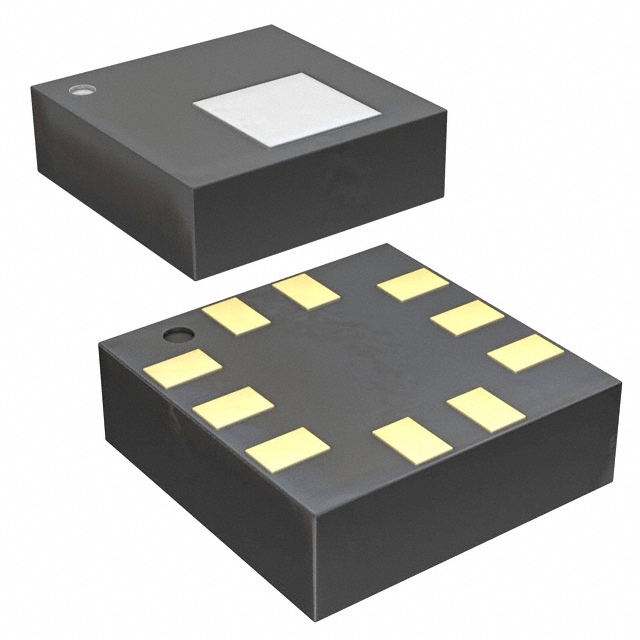
Automotive chips mainly include functional chips, power semiconductors, sensors, etc., including autonomous driving AI chips, MCUs, IGBT power devices, and a series of chips for autonomous driving perception systems, covering automotive control systems, infotainment systems, powertrains systems, vehicle motion systems, automotive power control systems, lighting systems, fuel injection, chassis safety and the sensing fields required by various types of vehicles.
Compared with consumer chips and general industrial chips, automotive chips have very high requirements for reliability and safety, and the general design life is 15 years or 200,000 kilometers. The working environment requirements for automotive chips are also very high: the temperature range can be as wide as -40℃~155℃, humidity, mold, dust, water, EMC and harmful gas erosion are often higher than the requirements of consumer electronics products.
The high standards, strict requirements, and long cycle of automotive-grade chips have repeatedly raised the entry threshold, which also directly leads to the fact that only chip companies with strong comprehensive or vertical integration capabilities and the ability to maximize their scale advantages can Automotive-grade chips are included in the production list. Looking at the world, there are only a few such automotive-grade chip companies such as NXP, Infineon, and Siemens.


Related Articles

What are Sensors: Types, Application, Working
The Role of Electronics in the Charger: A Comprehensive Guide
How Knock Sensors Work: Price, Diagram, How to Test
CPLD vs FPGA: Architechture, Price and Application
Coaxial Cable vs. Monitor Cable: A Comparison
How Effective is Thermoelectric Cooler
On GaN: Application, Advantages & Disvantages
Electronic Components in Mobile Phones and the Chip Shortage Impact
How Many Chips Does a Car Need
HDMI vs DVI vs DisplayPort vs VGA: Comparing Pros & Cons
On Shunt: Definition, Use and Types of Shunts
On Video Websites Recommendation Systems