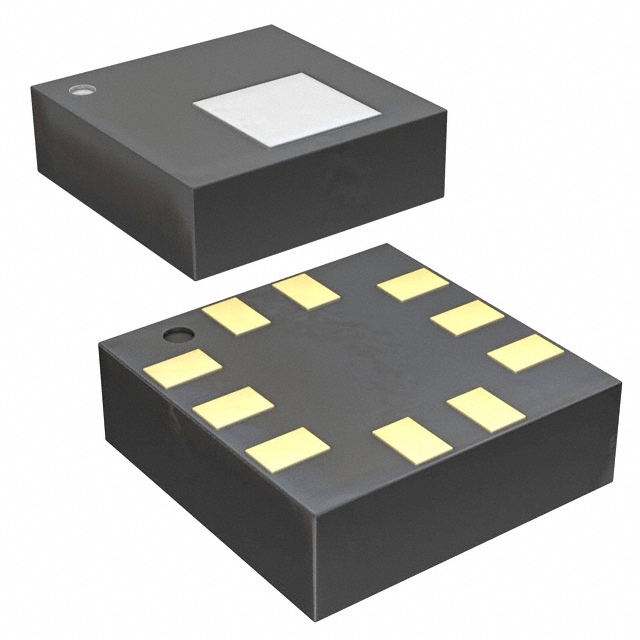
14 Electronic Components in an iPad
Catalog
1. Introduction
2. Electronic Components in an iPad
3. Conclusion
4. References
1. Introduction
The evolution of consumer electronics has led to the development of various innovative devices, including tablets, which have become an integral part of our daily lives. Tablets offer a wide range of functionalities, such as browsing the internet, watching videos, playing games, and productivity tasks. These devices rely on advanced electronics and miniaturization to deliver powerful performance in a compact form factor. In this article, we will explore the electronic components that make up an iPad, one of the most popular and widely used tablets on the market.
2. Electronic Components in an iPad
2.1 Display
The display is one of the most prominent components of an iPad. It provides the visual interface for users to interact with the device. iPads typically feature high-resolution Retina displays that offer vivid colors, sharp images, and excellent viewing angles. These displays utilize advanced LCD or OLED technology, depending on the iPad model, to deliver an immersive visual experience.
2.2 Processor
At the heart of an iPad lies a powerful processor that drives its performance. Apple designs its own custom processors, such as the A-series chips, specifically optimized for their devices. These processors incorporate multiple cores to handle various tasks simultaneously, enabling smooth multitasking, fast app launches, and responsive user interactions. The processor plays a crucial role in delivering the speed and performance that users expect from their iPads.
2.3 Memory
Memory, often referred to as RAM (Random Access Memory), is essential for the smooth operation of an iPad. It provides temporary storage for data that the processor needs to access quickly. The amount of memory in an iPad determines how many apps can run simultaneously and how efficiently they can perform. Adequate memory ensures smooth multitasking and prevents lag or slowdowns when switching between apps or performing resource-intensive tasks.
2.4 Storage
Storage is where all the user's data, apps, and files are stored on an iPad. iPads typically come with different storage options, ranging from 32GB to several hundred gigabytes. Solid-state storage (SSD) technology is commonly used in iPads due to its high speed, reliability, and compact size. It allows for fast data retrieval, quick app installations, and ample space to store photos, videos, documents, and other files.
2.5 Battery
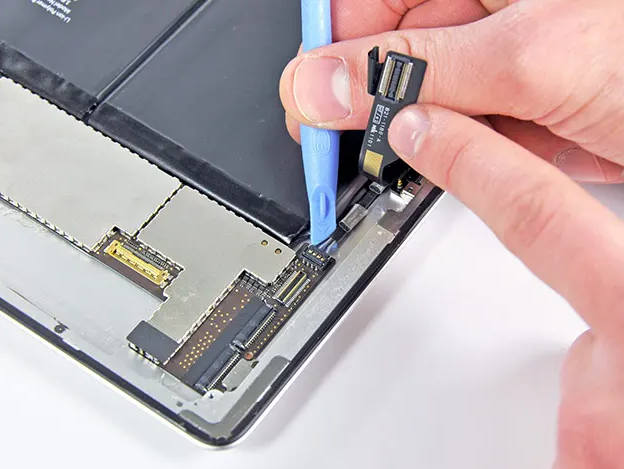
To power the iPad and provide hours of usage, it relies on a built-in rechargeable battery. The battery capacity varies across different iPad models, with larger tablets generally having larger batteries to support longer usage times. Efficient power management is crucial to maximize battery life, and iPads employ advanced technologies to optimize power consumption, such as low-power modes and intelligent power management algorithms.
2.6 Wireless Connectivity
iPads offer various wireless connectivity options to keep users connected on the go. They include:
- Wi-Fi: iPads feature built-in Wi-Fi capabilities, allowing users to connect to wireless networks for internet access, online services, and downloading apps or media.
- Cellular Connectivity: Some iPad models offer cellular connectivity, enabling users to access the internet using mobile data networks. These iPads have a SIM card slot and support technologies like 4G LTE or 5G for fast and reliable data connections.
- Bluetooth: iPads support Bluetooth technology, which allows wireless communication with other devices such as headphones, speakers, keyboards, and Apple Pencil for enhanced productivity and convenience.
2.7 Cameras
iPads are equipped with front and rear-facing cameras that enable users to capture photos, record videos, and participate in video calls or conferences. The cameras have advanced features like autofocus, image stabilization, and high-resolution sensors to deliver excellent image quality. These cameras also support augmented reality (AR) applications, allowing users to interact with virtual content in the real world.
In addition to the electronic components mentioned earlier, there are several other important components in an iPad. Here are a few:
2.8 Touchscreen: iPads utilize a touchscreen interface that allows users to interact with the device by tapping, swiping, and using gestures. The touchscreen technology used in iPads is typically capacitive, which enables precise and responsive touch input.
2.9 Operating System: iPads run on Apple's proprietary operating system called iOS (iPadOS for newer models). The operating system provides the user interface, manages system resources, and enables access to a vast ecosystem of apps and services designed specifically for the iPad.
2.10 Audio Components: iPads feature built-in speakers and a headphone jack or Lightning/USB-C port for audio output. These components deliver sound for multimedia playback, gaming, video calls, and other audio-related applications. Some iPad models also support stereo speakers for enhanced audio quality.
2.11 Sensors: iPads incorporate various sensors to enhance user interactions and enable specific functionalities. Common sensors found in iPads include an accelerometer (to detect device orientation and motion), a gyroscope (to measure rotation and angular velocity), an ambient light sensor (to adjust screen brightness based on the surrounding lighting conditions), and a magnetometer (to provide compass functionality).
2.12 Buttons and Controls: iPads have physical buttons and controls that allow users to perform specific actions. These include the Home button (or a virtual Home button in newer models), volume buttons for adjusting audio levels, a power button for turning the device on/off or putting it to sleep, and in some models, a side button for additional functionalities like Siri or Apple Pay.
2.13 Security Components: iPads incorporate security features to protect user data and ensure device integrity. These include Touch ID or Face ID biometric authentication for secure unlocking and Apple Pay transactions, as well as hardware encryption to safeguard data stored on the device.
2.14 Casing and Enclosure: The physical casing and enclosure of an iPad provide structural support and protection for the internal components. They are designed to be lightweight, durable, and aesthetically pleasing, often made from materials like aluminum or composite plastics.
It's important to note that the specific components and their configurations may vary across different iPad models and generations. Apple regularly updates and improves the components in newer iterations of the iPad to deliver better performance, enhanced features, and increased functionality.
3.Conclusion
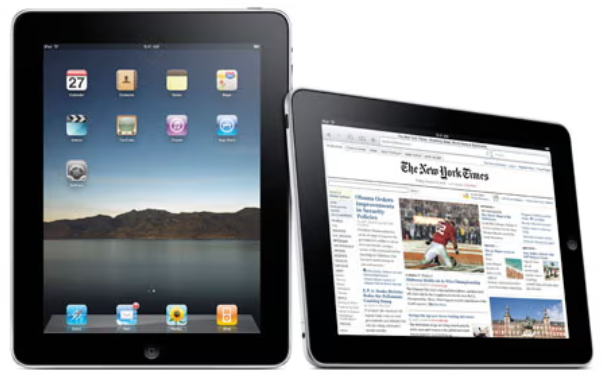
The iPad has revolutionized the tablet market with its powerful performance, sleek design, and extensive range of features. The electronic components discussed in this article, including the display, processor, memory, storage, battery, wireless connectivity, cameras, touchscreen, operating system, audio components, sensor, buttons and controls, security components, and casing and enclosure work together to deliver a seamless and immersive user experience. As technology continues to advance, we can expect further enhancements and innovations in these components, leading to even more capable and versatile iPads in the future.
4.References
1. Apple Inc. (n.d.). iPad - Technical Specifications. Retrieved from https://www.apple.com/ipad/specs/
2. Gartner Research. (2021). Forecast: PCs, Ultramobiles, and Mobile Phones, Worldwide. Retrieved from https://www.gartner.com/en/documents/3999245/forecast-pcs-ultramobiles-and-mobile-phones-worldwide
3. Grigonis, R. (2021). How Do iPads Work? Lifewire. Retrieved from https://www.lifewire.com/how-do-ipads-work-1994619


Related Articles

Transceiver explained:Types, Working, Applications
Various Types of Diodes: A Comprehensive Classification
Single-Phase vs. Two-Phase Liquid Immersion Cooling:Which is Better
How to Add DS1307, DS3231, PCF8563 RTC with Arduino: Tutorial
What Is a Throttle Position Sensor (TPS) And How It Works
Exploring the Power of X Elite
Machine SCADA Expert: Transforming the Development of Electronic Components and Technology
Harnessing Electric Electromobiles to Combat Global Warming and Pollution
Foldable Phone Comparison: Top 4 Folding Phones
Wireless Keyboards: The Evolution of a Technological Marvel
What are PCBs, How do PCBs Work: Types, Applications
Raspberry Pi 5: The Next Generation of Single Board Computers